This is an old revision of the document!
Governance, Innovation & Change
Targets
This topic is part of the ISGAN Wiki and is currently being developed. You can contribute directly by clicking the edit button, or use the Topic Builder for guided input. A confirmed wiki account is required. Register and allow up to three days for admin confirmation. Before contributing, read the ISGAN Wiki Editorial Guidelines.
Targets translate long-term visions into measurable commitments — but what counts as a smart grid target depends on whether the frame is climate, access, efficiency, or system architecture.
Why this matters
[To be drafted]
Shared definitions
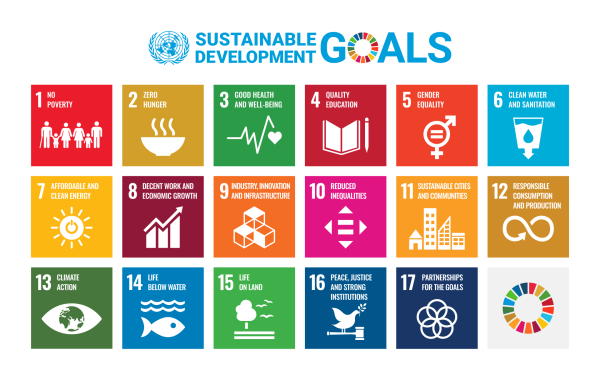 Targets in the context of energy and smart grid transitions are measurable, time-bound commitments that translate long-term visions into specific, verifiable milestones. They function at multiple levels — international frameworks, national legislation, sectoral plans, and technology-specific programmes — and their relationship to one another shapes the incentives and constraints facing actors across the electricity system.
Four distinct target frameworks are relevant to smart grid transitions:
Climate targets are established under the Paris Agreement, which commits signatory countries to limiting global average temperature increase to well below 2°C above pre-industrial levels and pursuing efforts to limit warming to 1.5°C. Countries express their contributions through Nationally Determined Contributions (NDCs), which are updated every five years and increasingly include electricity sector commitments.1)
Sustainable Development Goals — in particular SDG 7 — establish global targets for energy access, renewable energy share, and energy efficiency. SDG 7 calls for universal access to affordable, reliable, and modern energy services, a substantial increase in the share of renewable energy in the global energy mix, and a doubling of the global rate of improvement in energy efficiency by 2030.2) Access to affordable, reliable, and sustainable energy is also a precondition for progress on poverty eradication, health, education, water supply, and climate change mitigation.3)
Energy transition targets are set at national and regional level and typically specify shares of renewable energy in electricity generation or final energy consumption, carbon intensity reductions, or phase-out dates for specific technologies. The EU's renewable energy directive, for example, sets binding targets for the share of renewables in final energy consumption, with specific sub-targets for heating, cooling, and transport.4)
Smart grid targets are less standardised than climate or renewable energy targets. They appear in national digitalisation strategies, grid modernisation programmes, and smart meter rollout mandates. The IEA tracks smart grid investment and deployment metrics, and ISGAN working groups have developed indicators for grid flexibility, digital infrastructure, and distributed resource integration, though no single internationally agreed framework exists.5)
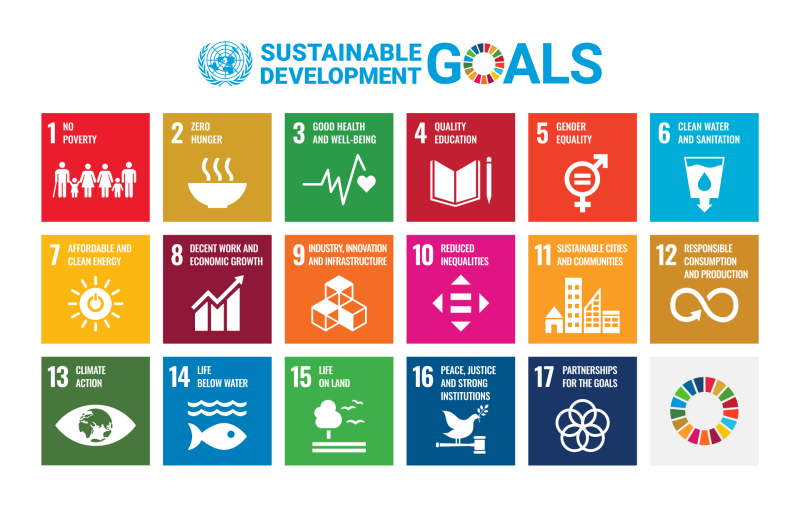 Figure 1. The 17 Sustainable Development Goals, adopted by the United Nations in 2015.
Source: United Nations. https://sdgs.un.org/goals6)

Figure 2. The SDG wedding cake: biosphere as the foundation for society and economy.
Source: UNEP, Global Resource Outlook 2024.7)
===== Perspectives =====
Actors and stakeholders
Technologies and infrastructure
Institutional structures
===== Distinctions and overlaps =====
Targets vs. scenarios
Scenarios explore what could happen under different assumptions. Targets prescribe what should happen by a defined date. Normative scenarios are often built backward from targets — backcasting from a target year to identify required actions. Targets without accompanying pathways risk becoming aspirational rather than actionable. See Scenarios.
===== Related topics ===== Scenarios · Transition pathways · Governance · Institutions · Digitalisation ===== Topic notes ===== Content notes from source material:
- Source material contains a merge flag for provisioning systems — not a current wiki topic; the SDG wedding cake figure relates to this framing and is included as Figure 2 with the UNEP source.
- Image licences: both SDG images are UN/UNEP materials — confirm licence conditions before publication. SDG icons are freely available for non-commercial use under UN terms.
- Page owner: Klaus Kubeczko.
Source: United Nations. https://sdgs.un.org/goals((United Nations. (2015). Transforming our world: The 2030 Agenda for Sustainable Development. UN General Assembly Resolution A/RES/70/1.